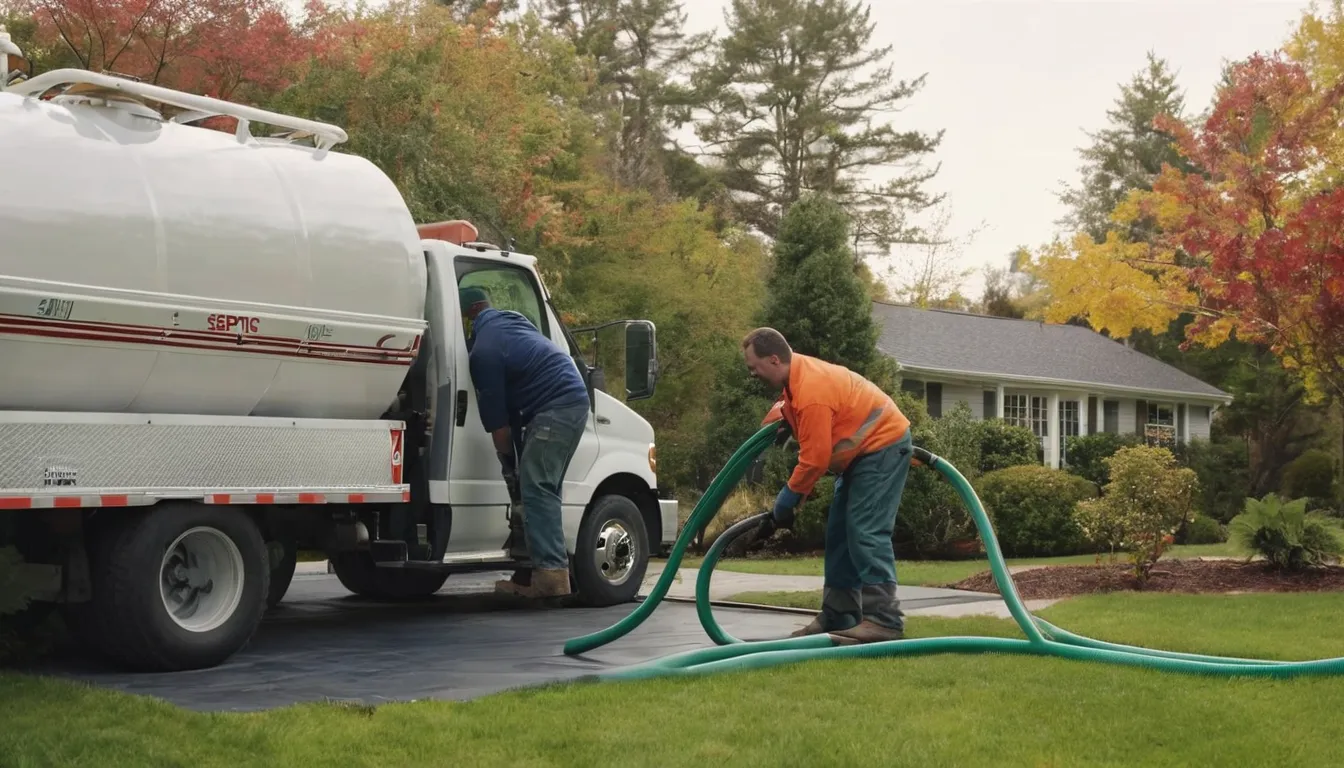
A septic problem should not run your week
A slow drain, a gurgle in the pipes, or a soggy patch in the yard can turn a normal week upside down. You already have work, school runs and dinner to manage. A septic problem should not take over all of it.
Citizendelayed Septic is a referral service. We connect homeowners across the Boston area with independent septic and sewer providers. We do not do the work ourselves. A local provider in our network does.
The idea is simple. You tell us what is going on and when your household is usually home. Your request goes to a provider who handles septic tank pumping or septic system repair near Boston. You compare what you hear back, then decide at your own pace. There is no obligation.
Most families just want a clear plan that fits around daily life. Start with an estimate request, and keep the phone as a backup if you would rather talk it through.
Get Started
How It Works
What Citizendelayed Septic actually does
Think of Citizendelayed Septic like the front desk at a clinic. The desk does not treat you. It points you to the right person and passes along the details, so you do not repeat yourself three times.
That is our role. You describe the problem. Your request goes to independent providers in our network. They contact you, look at the job, and give you a quote. The pumping, the digging and the repairs are all done by the provider, not by Citizendelayed Septic.
Why a septic tank needs regular pumping
A septic tank works like a settling jar. Heavy solids sink, grease floats, and the water in the middle flows out to the drainfield. Over time the solids pile up. When the jar gets too full, solids slip out and clog the drainfield.
Pumping clears that buildup before it causes harm. Many households schedule it every three to five years, though family size and tank size change the answer. A provider can suggest what fits your home.
When pumping is not enough
Sometimes the tank is only part of the story. Cracked pipes, a worn baffle, a soggy drainfield or tree roots in the line may call for septic system repair. Drainfield repair can be a bigger job than pumping, so it helps to learn about it early. A provider can inspect the system and explain your options in plain words.
Planning around a busy home
Tell the provider your schedule. Ask about arrival windows, where the truck will park, and which parts of the yard your kids or pets use. A little planning keeps the disruption small.
Septic help across the Boston area
Homes in the Boston area deal with conditions that many other regions never see. Cold, snowy winters freeze the ground. Freeze-thaw cycles shift the soil and stress buried pipes. Spring snowmelt soaks the yard, and a drainfield that is already tired can struggle to drain. Coastal storms add even more water on top.
The housing matters too. Many older homes near Boston have full basements and stone or block foundations. Cape Cod style houses and multi-family buildings often put more people on one system than it was first sized for. A basement drain that backs up is a good reason to check the whole system.
Providers in our network know these patterns. They work in Boston and the towns around it across MA. Some also offer water well service, which matters if your property has a private well near the septic system. Availability varies by provider and by season, so ask about timing when one reaches out.
If you live anywhere in the Boston area, send a request and see who responds.
Get Started
Practical septic know-how for busy local households
Signs your system needs attention
Slow drains, gurgling toilets, sewage smells and extra-green grass over the drainfield are common warnings. Think of them like a dashboard light. The car still runs, but it is asking for attention. Acting early usually keeps the job smaller.
What emergency septic cleaning means
If sewage is backing up into a tub or floor drain, treat it as urgent. Some providers offer emergency septic cleaning. Request a callback to check provider availability. Keep people and pets away from the spill, and hold off on running water.
Getting ready for the visit
Clear a path to the tank lid, move bikes and toys, and note where the cleanout is. Mention gates and dogs to the provider. A little prep keeps the visit short, which is easier on a full schedule.
Comparing estimates calmly
Ask for written quotes from more than one provider. Compare what is included, such as pumping volume, a look at the baffles, and disposal. A low number can leave things out. Take your time. There is no obligation.
Typical costs
In the U.S., septic tank pumping often runs a few hundred dollars, while repairs range from a few hundred to several thousand depending on the problem. Drainfield repair can cost more. These are typical ranges only, so get a written quote for your own job.
Winter and spring habits
Snow can hide the tank lid, so mark it before winter. In spring, snowmelt can saturate the drainfield. Spread laundry across the week, like not pouring a whole bathtub of water down one narrow drain.
A note on private wells
If your home uses a private well, ask about water well service when you book. The well and the septic system share one property, and a provider can note how they sit together. Cloudy or odd-smelling water deserves a closer look.
Small habits that protect the tank
Keep wipes and grease out of drains, and avoid parking on the drainfield. Some policies may cover sudden damage, so check your policy. Providers can often help document damage for a claim.
Ask For Estimates
Ready to move forward? Send a quick request with your address, a note about the problem, and the times your household is usually home. A provider in our network will reach out with options. You can compare and decide with no obligation. Prefer to talk? Request a callback to ask about provider availability.
Get Started